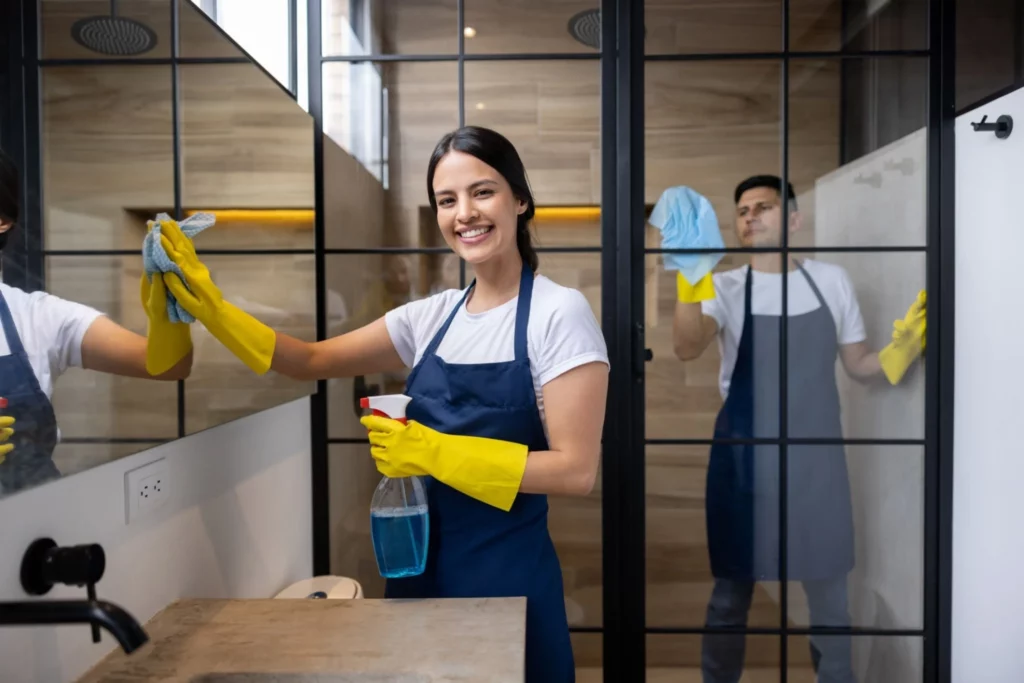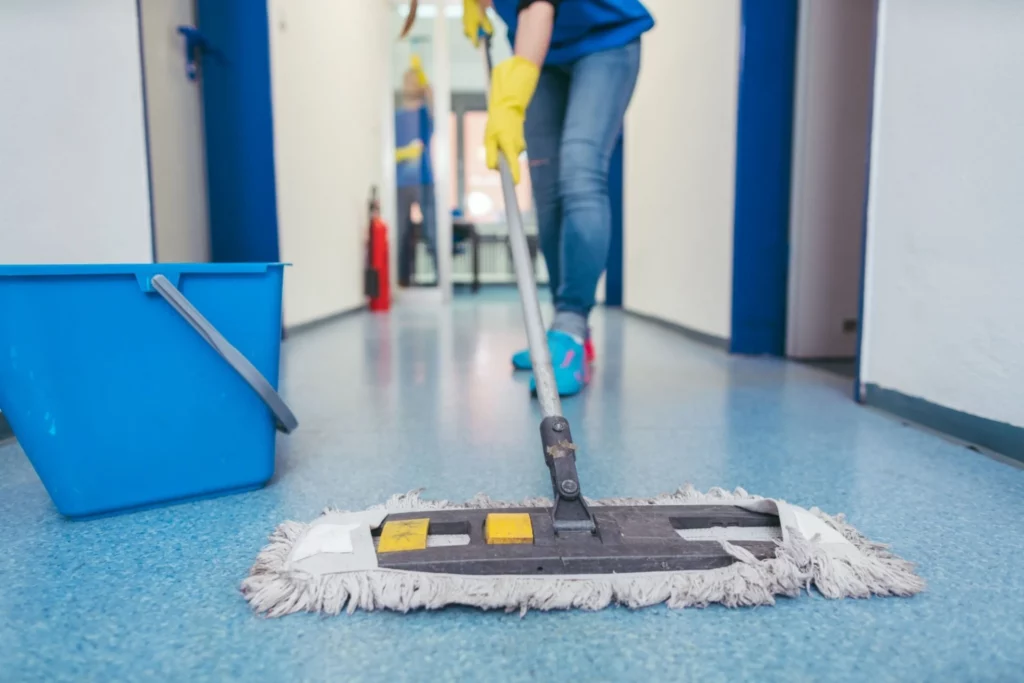
A clear schedule makes sure the right things are cleaned at the right frequency and that nobody assumes someone else is doing them. Use this as a starting point and adjust it to how your office is actually used.
Reviewed 13 October 2026 against the Safe Work Australia and WorkSafe Victoria codes cited below. General information only.
What the workplace codes say
Neither code sets a fixed timetable for offices. Both say cleaning should match how the workplace is used:
- ACT (Safe Work Australia model code): workplaces and facilities should be cleaned regularly, taking into account the type of work, the likelihood of contamination, the number of workers using them (including during shift work) and the type of facility, such as eating areas, toilets, handbasins and showers. Consumables such as soap and toilet paper should be replenished regularly.
- Victoria (WorkSafe Victoria compliance code): workplaces and facilities need to be cleaned regularly; cleaning may be needed at each shift change or daily, and the schedule needs to account for high-use areas such as dining areas, toilets, hand washing facilities and showers. Dining facilities generally need cleaning at least daily.
Source: Safe Work Australia: Model Code of Practice, Managing the work environment and facilities · WorkSafe Victoria: Compliance code, Workplace facilities and the working environment
A starting schedule
Daily (or each working day)
- Kitchen or staff room: benches, sink, tables and the outside of shared appliances
- Toilets and hand basins cleaned; soap, paper towel and toilet paper restocked
- High-touch points: door handles, light switches, lift buttons, shared phones and keyboards
- Bins emptied, with recycling kept separate as your building requires
Weekly
- Desks and work surfaces dusted and wiped (cleared desks are easier to clean properly)
- Carpets vacuumed throughout and hard floors mopped
- Glass doors and partitions spot-cleaned
- Fridge checked and old food removed
Periodically
- Inside the fridge, microwave and dishwasher
- Skirting boards, vents and light fittings dusted
- Internal windows and blinds
- Carpet steam cleaning, as your carpet’s care guide and traffic require
Busier offices, shift work or shared hot desks usually need some of the weekly tasks done more often; a small office used by a few people may need less.
Agree who does what
- Shared equipment: decide whether staff or cleaners are responsible for fridges, coffee machines and microwaves.
- Desks: ask staff to clear desks at the end of the day if you want them wiped; cleaners usually work around papers and equipment left out.
- Confidential material: lock away documents and secure any sensitive areas before cleaners arrive.
- Access: give cleaners clear instructions for keys, swipe cards and alarm codes, and a contact on site.
- Consumables: agree who orders and stocks soap, paper towel and toilet paper.
Looking for regular office cleaning? See office cleaning or request a commercial cleaning quote.
Office cleaning: questions
How often should an office be cleaned?
It depends on how many people use it and what facilities it has. The workplace codes above say high-use areas such as kitchens, dining areas and toilets need cleaning more often than general work areas, generally at least daily for dining facilities in Victoria.
Should cleaning happen after hours?
Often it is easier when the office is empty, but it depends on your access arrangements and security. Agree a time that suits both your staff and your cleaners.
What should I tell a cleaning company when asking for a quote?
The approximate floor area, the number of toilets and kitchens, floor types, how often you want cleaning, when the office is empty, how cleaners get in, and whether you supply consumables.